
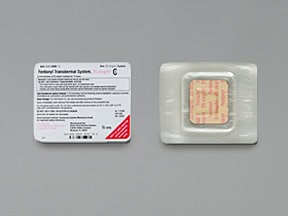
 With OxyContin now much harder to obtain, addicts and dealers alike are turning their attention to Fentanyl patches. Fentanyl is used, most commonly, to treat pain in cancer patients, but as it is 100 times stronger than Morphine, it should come as no surprise that it is now being used by addicts on the street to deliver a very powerful high. The problem is something to the effect of knocking down one thing while another pops up. It is great to hear that the government is finally doing something about the rampant misuse of OxyContin, by introducing a tamper resistant form of the drug that will prevent people from crushing and melting the pills, but now that Oxy has become harder to get for people buying it illegally without a prescription, it would seem that the far more dangerous Fentanyl is what addicts are turning to. Fentanyl usually comes in the form of a patch that is applied to the skin and delivers regular doses of the drug to treat severe pain over the course of three days. But the drug is often misused and the patches are applied without a prescription, are melted down to be injected or altered in some other form so that the addict can gain access to it’s pleasurable effects as quickly and efficiently as possible, with no regard to the immense danger they are putting themselves in. The Fentanyl problem isn’t new, and there have been calls Canada wide to try and deal with the problem, but now that people are struggling to get their illegal OxyContin, the Fentanyl problem has gone into overdrive and many authorities in communities across the country are scratching their heads in search of a solution.
Luckily, in Durham Ontario, authorities have started a program that makes a lot of sense. It’s called the patch for patch program which would see patients being prescribed Fentanyl patches return their used patches to the pharmacy at which they normally receive their prescriptions. While this may not be the ultimate solution to the problem, especially when it comes to people simply selling their patches to other people, it will most likely put a serious dent in the plans of those people who after using their prescribed patches sell what is left on the street in order to make a bit of money on the side. In some cases, authorities believe that the used Fentanyl patches are bringing legitimate users at least $40 a pop which can add up quickly if they use the patches every few days. For reference, a new, unused patch sells for about $400 on the street.
Lovell Drugs, which has six stores in Durham Region, was involved in the process of creating the Patch for Patch program and is already using it in its stores. “We got involved because we have the store in the Glazier Medical Centre so were working with the Pinewood Centre,” said pharmacist and Lovell Drugs general manager Rita Winn, referring to the Pinewood Centre for Addictions located in Oshawa. “Most patients, when we explain it’s a public safety issue, they say no problem,” she said. “The people that are going to have a problem are people that are diverting them … some of these people, it can pay their rents so it’s very tempting.”